
)
Textile fibers
Experience the natural comfort and versatility of TENCEL™ Modal
About the fiber
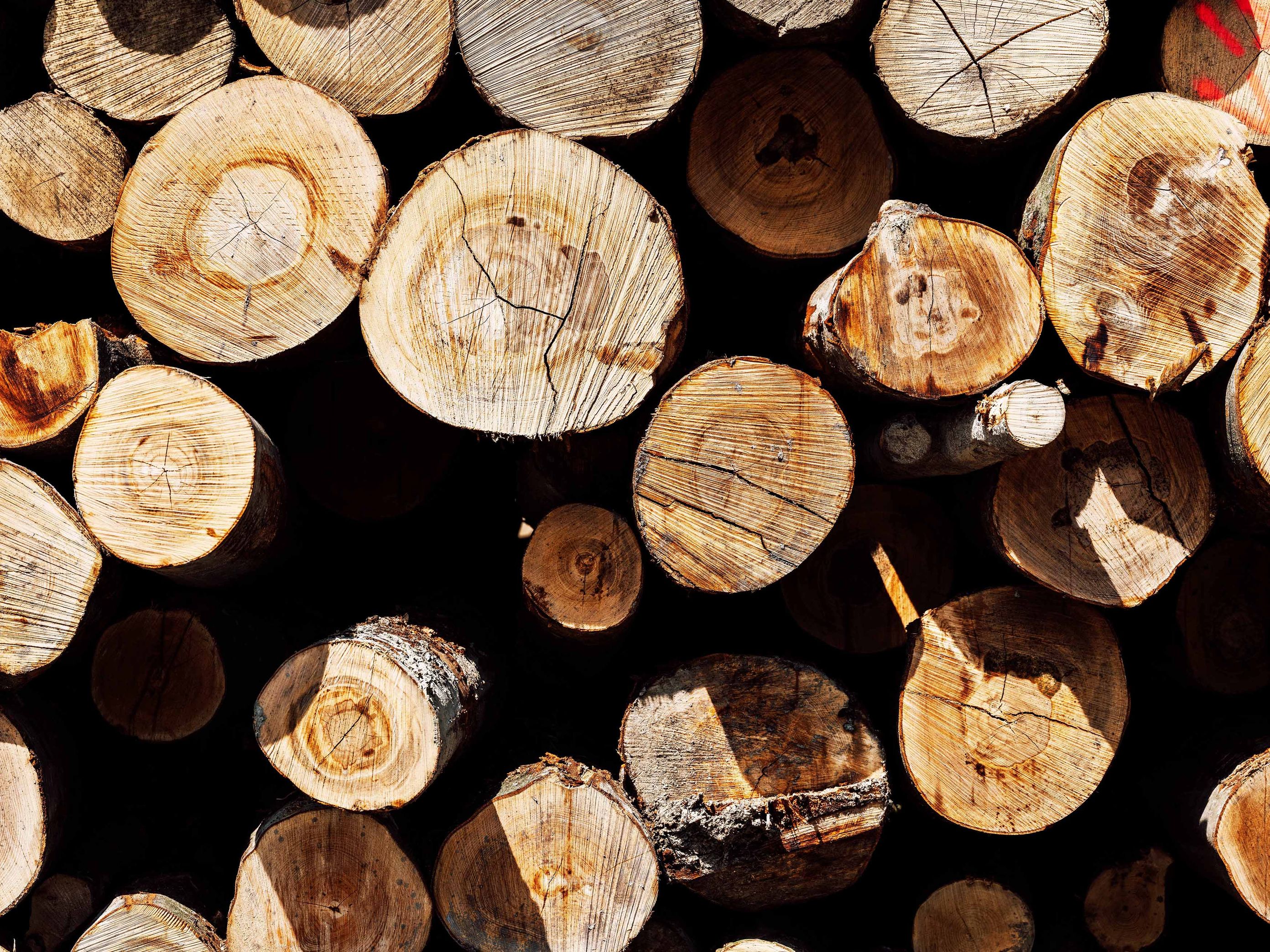
TENCEL™ Modal fibers are regenerated cellulose fibers derived from the natural raw material wood. The cross-section of TENCEL™ Modal fibers and their tenacity favor fabric softness, allowing them to withstand repeated washing and drying cycles. The production process of these fibers is based on a highly resource-efficient technology with high recovery rates of chemicals. ⁷
Benefits
How you benefit from TENCEL™ Modal fibers
50 percent less water consumption
TENCEL™ Modal fibers are made with at least 50 percent less carbon emissions and water consumption compared to generic modal.¹
Responsible wood sources
The wood used as raw material for all TENCEL™ Modal fibers is sourced from certified or controlled wood sources.²
Effective moisture control
The structure of TENCEL™ Modal fibers allows the absorption and release of moisture. In the final textile product, these effective moisture controlling properties support a drier microclimate on the skin, increasing the wearer’s thermal comfort.³
Long-lasting softness
TENCEL™ Modal fibers’ cross-section and tenacity favor fabric softness, allowing them to withstand repeated washing and drying cycles.
Tracing technology
TENCEL™ Modal fibers are produced with a molecular marker. This special identification technology ensures the authenticity and traceability of TENCEL™ fibers.
EU Ecolabel
TENCEL™ Modal fibers certified with the EU Ecolabel have a reduced environmental impact across multiple stages of the product life cycle.⁵
Biodegradable & compostable
TENCEL™ Modal fibers are biodegradable and compostable in various environments.⁶
Rich colors
TENCEL™ Modal fibers support rich and saturated colors in fabrics.
High tenacity
TENCEL™ Modal fibers have a high tenacity profile favoring processing stability. This enables TENCEL™ fibers to withstand faster production speeds in machinery, while at the same time making critical contributions to yarn strength and quality.
Technologies
Advanced technologies for TENCEL™ Modal fibers
Micro technology
Modal fibers produced with Micro technology are the finest fibers within the TENCEL™ portfolio. This leads to increased softness and an even higher level of comfort.
Color technology
Color technology incorporates color pigments directly into TENCEL™ Modal fibers during the production process. This approach saves downstream dyeing steps, resulting in up to 50% less energy and water consumption, while achieving up to a 60% reduction in carbon footprint compared to conventional dyeing.⁸
Manufacturing process
The TENCEL™ Modal production process is based on a highly resource-efficient technology with high recovery rates of chemicals. According to the Higg Materials Sustainability Index (MSI), TENCEL™ Modal has a significantly lower environmental impact than generic modal in the categories of abiotic depletion of fossil fuels, global warming, water consumption and eutrophication.¹˒⁷
Services
Enhance your visibility with our services
¹ Results based on LCA standards (ISO 14040/44) and available via Higg MSI (v3.12)
² The wood and pulp used as a raw material in the production of LENZING™ ECOVERO™ Viscose fibers is sourced from certified or controlled wood sources. Certification: FSC® (FSC-C041246) or PEFC (PEFC/06-33-92) or wood sources that follow the stringent guidelines of the Lenzing Wood and Pulp Policy.
³ Article : The role of the enhanced moisture absorption of regenerated cellulose fibers (MMCF) in textile comfort and the thermoregulation of the body
⁴ Study of softness
⁵ EU Ecolabel for textile products (license no. AT/016/001)
⁶ LENZING™ Modal standard fibers are certified by TÜV AUSTRIA as biodegradable in soil, freshwater and marine environments, and compostable under home and industrial conditions.
⁷ Focus Paper Pulp and Fiber Production
⁸ Statement based on “Terinte et al., 2014: Terinte, N.,Manda, B.M.K., Taylor, J., Schuster, K.C., and Patel, M. (2014). Environmental assessment of coloured fabrics and opportunities for value creation: spin-dyeing versus conventional dyeing. Journal of Cleaner Production, Vol. 72: 127–138.”; Textile processing steps being similar for Modal and Viscose, therefore savings are based on calculations of fabric production and dyeing via jet dyeing excl. fiber impact.