
)
Textile fibers
LENZING™ ECOVERO™: Viscose designed for efficient use of resources
Our trusted brand partners


About the fiber
LENZING™ ECOVERO™ fibers are cellulosic viscose fibers derived from the natural raw material wood. Naturally lightweight, LENZING™ ECOVERO™ fibers give woven and knitted fabrics a tactile softness and flowing drape.¹
The production processes of our fibers are designed to maximize resource efficiency and minimize environmental impact. Consequently, carbon emissions and water consumption from LENZING™ ECOVERO™ fiber production are at least 50 percent lower compared to generic viscose fibers, according to Higg MSI.²
Benefits
How you benefit from the LENZING™ ECOVERO™ brand
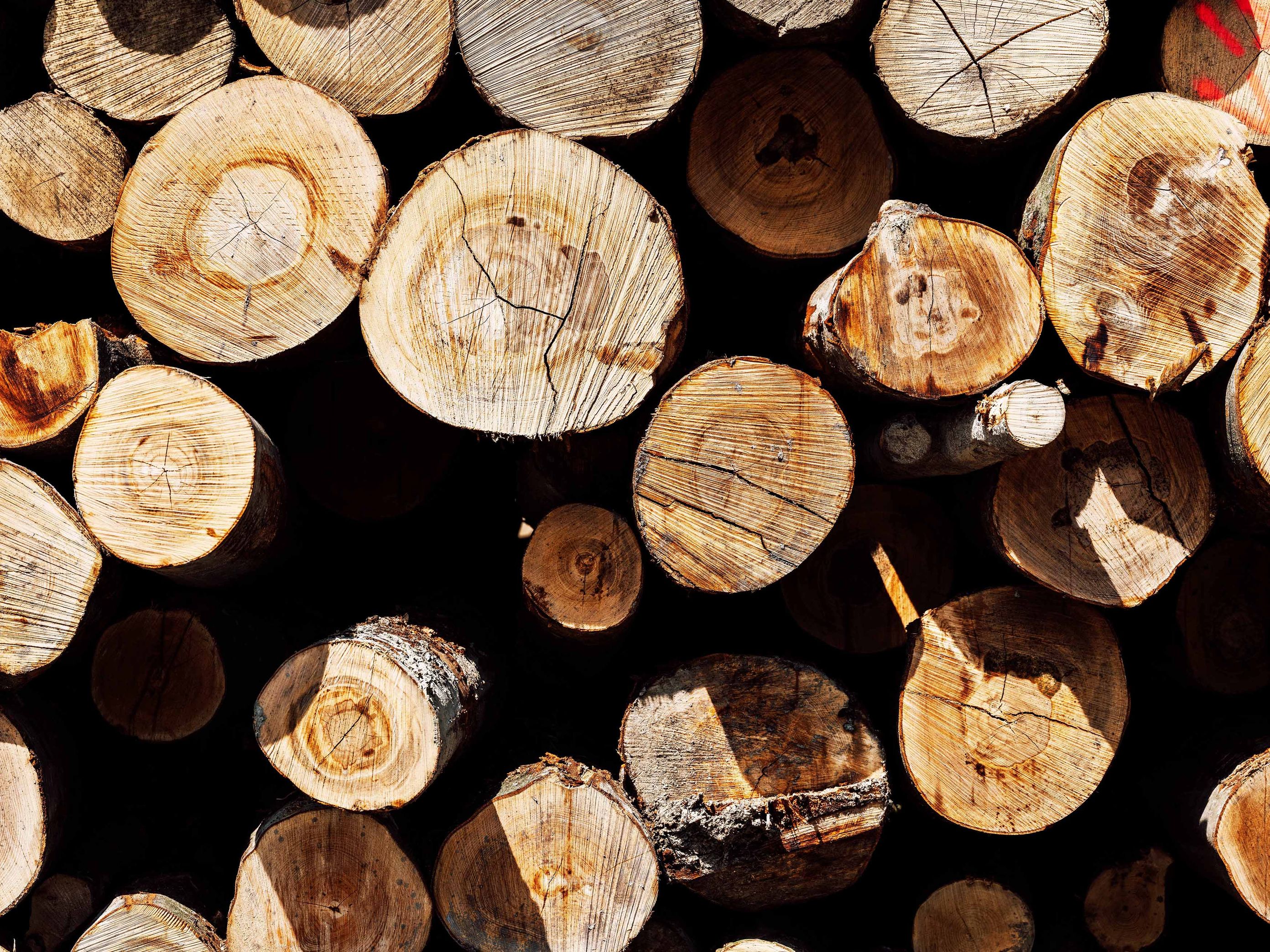
Responsible wood sources
The wood used as raw material for all LENZING™ ECOVERO™ fibers is sourced from certified or controlled wood sources.³
50 percent less water consumption
LENZING™ ECOVERO™ fibers are made with at least 50 percent less carbon emissions and water consumption compared to generic viscose.²
Natural softness & drape
Naturally lightweight, LENZING™ ECOVERO™ fibers give woven and knitted fabrics a tactile softness and flowing drape.¹
EU Ecolabel
LENZING™ ECOVERO™ fibers are certified with the EU Ecolabel for high environmental standards throughout their life cycle.⁴
Biodegradability & compostability
LENZING™ ECOVERO™ fibers are biodegradable and compostable in various environments.⁵
Technologies
Advanced technologies for LENZING™ ECOVERO™ fibers
REFIBRA™ technology
LENZING™ ECOVERO™ fibers produced with REFIBRA™ technology use recycled textile waste, in addition to wood, as raw material for the pulp used in fiber production. The fibers contain a minimum of 20% recycled material.⁸
Color technology
Fibers produced with this technology incorporate color pigments directly incorporates color pigments directly into LENZING™ ECOVERO™ fibers during the production process. This approach saves downstream dyeing steps, resulting in up to 50% less energy and water consumption, while achieving up to a 60% reduction in carbon footprint compared to conventional dyeing.⁶
Tracing technology
LENZING™ ECOVERO™ fibers are produced with a molecular marker. This special identification technology ensures the authenticity and traceability of LENZING™ ECOVERO™ fibers even after processing into textile products.
Manufacturing process
The responsible production of LENZING™ ECOVERO™ fibers uses at least 50% less water and emits at least 50% less greenhouse gas (GHG) compared to generic viscose fibers.²
LENZING™ ECOVERO™ fibers are certified with the EU Ecolabel⁴ and manufactured with special identification technology⁹ plus every fiber is fully traceable via Lenzing’s traceability platform, giving you the visibility you need to choose with trust.
Services
Enhance your visibility with our services
¹ Test : Technical bulletin (Test results of LENZING™ ECOVERO™ and cotton blends)
² LENZING™ ECOVERO™ fibers are made with at least 50% less carbon emissions and water consumption compared to generic viscose. Results based on LCA standards (ISO 14040/44) and available via Higg MSI (Version 3.12).
³ The wood and pulp used as a raw material in the production of LENZING™ ECOVERO™ Viscose fibers is sourced from certified or controlled wood sources. Certification: FSC™ (FSC-C041246) or PEFC (PEFC/06-33-92) or wood sources that follow the stringent guidelines of the Lenzing Wood and Pulp Policy.
⁴ LENZING™ ECOVERO™ fibers are certified with the EU Ecolabel for textile products (license no. AT/016/001) in recognition of environmental excellence.
⁵ LENZING™ Viscose standard fibers are certified by TÜV AUSTRIA as biodegradable in soil, freshwater and marine environments, and compostable under home and industrial conditions.
⁶ Results based on “Terinte et al., 2014: Terinte, N., Manda, B.M.K., Taylor, J., Schuster, K.C., and Patel, M. (2014). Environmental assessment of coloured fabrics and opportunities for value creation: spin-dyeing versus conventional dyeing. Journal of Cleaner Production, Vol. 72: 127–138.”; Textile processing steps being similar for Modal and Viscose, therefore savings are based on calculations of fabric production and dyeing via jet dyeing excl. fiber impact.
⁷ Samples have been tested according to ISO 105 C10-C3 indicating marginal changes in color and no staining.
⁸ LENZING™ ECOVERO™ fibers produced with REFIBRA™ technology meet the Recycled Claim Standard. Certified by Control Union Shanghai (CU1260548).
⁹ LENZING™ ECOVERO™ fibers are produced with a molecular marker. This special identification technology ensures the authenticity and traceability of LENZING™ ECOVERO™ fibers even after processing into textile products.